
Essential First-Day Experiences in Central Tokyo
Your first full day in Tokyo should feel like an immersion course in everything that makes this city remarkable. If you’re staying in Shinjuku or Shibuya—the most practical bases for first-time visitors—you can hit several iconic experiences in a single day by following a logical route through central tokyo.
Start your morning at meiji shrine, then walk through Harajuku and takeshita street around midday. Continue to the sophisticated Omotesando avenue for a coffee break, then make your way to shibuya crossing and shibuya sky for sunset views. End your night back in Shinjuku at Omoide Yokocho or golden gai for yakitori and drinks. The walking connections are natural: Meiji Shrine sits between harajuku station and Yoyogi, and from Harajuku you can stroll through Omotesando directly to Shibuya in about twenty minutes. A quick ten-minute JR ride then connects Shibuya to Shinjuku for nightlife.
This isn’t just a suggested itinerary—it’s a way to experience Tokyo’s contrasts firsthand, moving from spiritual calm to youthful chaos to sophisticated shopping to electric nightlife in the span of a single day, and it perfectly captures some of the best things to do in Tokyo.
Meiji Shrine and Yoyogi Park
Meiji Shrine offers a peaceful retreat that balances Tokyo’s vibrant energy. This important Shinto shrine, completed in 1920 to honor Emperor Meiji and Empress Shoken, is nestled within a 170-acre forest with over 100,000 trees representing 246 species. Walking along the wide gravel path leading to the shrine quickly muffles city noise, creating a calm, meditative atmosphere.
Entry is free, and spending about an hour here lets you soak in the serene surroundings. As you approach, pass under massive wooden torii gates and see displays of sake barrels—traditional offerings to the deities. On weekends, you might catch traditional Shinto wedding processions, offering great photo moments.
Conveniently located just a short walk from Harajuku and Yoyogi stations, Meiji Shrine is an ideal first stop. If you visit in late March or early April, combine it with a stroll through nearby Yoyogi Park to enjoy cherry blossoms or visit in late November for beautiful autumn leaves. Remember to cleanse your hands at the temizuya water basin, bow respectfully at the torii gate, keep your voice low, and avoid flash photography inside the sanctuary.
Harajuku and Omotesando
The transition from Meiji Shrine’s peaceful reverence to Harajuku’s vibrant energy is just a five-minute walk—and the contrast is striking. Harajuku has been Tokyo’s youth-fashion hotspot since the 1990s Lolita fashion boom, and today Takeshita Street remains the heart of kawaii culture, vintage finds, and bold self-expression.
This narrow pedestrian street is packed with crepe stands, gothic boutiques, cosplay shops, and stores selling everything from rainbow cotton candy to character-themed accessories. To avoid the crowds, visit early on a weekday; weekends can be overwhelming but are part of the experience for some. Beyond shopping, enjoy unique treats like 3D latte art at specialty cafes, gachapon capsule machines with quirky Japanese toys, and people-watching that showcases Tokyo’s serious style game.
When you’re ready for a change, head south to Omotesando. This tree-lined avenue feels like a whole new city—sleek architecture, luxury flagship stores, and chic cafes replace Harajuku’s colorful chaos. The Omotesando Hills complex, designed by renowned architect Tadao Ando, offers high-end shopping in a stylish setting. Nearby, the Nezu Museum provides a peaceful escape with traditional Japanese gardens, tea houses, and art collections. These spots perfectly capture Tokyo’s unique blend of tradition and trend, making them must-see experiences on your trip.
Shibuya Crossing and Shibuya Sky
No first visit to Tokyo is complete without experiencing Shibuya Scramble Crossing—and ideally, viewing it from above. This bustling pedestrian crossing, right outside Shibuya Station’s Hachiko Exit, sees up to 2,500 people crossing at once in a fascinating, choreographed chaos that somehow avoids collisions.
The crossing is at its most vibrant after sunset, when neon lights and massive LED screens transform it into the Tokyo you’ve seen in movies like Lost in Translation. Standing amid the crowd is thrilling, but the best views are from above. The Starbucks overlooking the crossing offers free views if you buy a drink, though window seats are limited. For a dedicated vantage point, Mag’s Park rooftop on the Magnet building provides clear sightlines.
For the ultimate panorama, head to Shibuya Sky atop the Shibuya Scramble Square building. This open-air observation deck at 228 meters offers 360-degree views stretching to Tokyo Tower, Tokyo Skytree, and even Mt Fuji on clear days. Its rooftop design lets you feel the breeze and hear the city below. Book tickets online in advance and aim to arrive about an hour before sunset to enjoy golden hour and stunning night views. The deck stays open late, so you can combine your visit with dinner in Shibuya.
These moments capture the unique energy and charm that make Shibuya Crossing one of the top things to do in Tokyo.
Historic Tokyo: Temples, Shrines, and Old-World Neighborhoods
Beyond the neon and skyscrapers lies another Tokyo entirely—one of incense-scented temple grounds, centuries-old traditions, and neighborhoods that feel suspended in time. First-time visitors should absolutely include Asakusa’s sensoji temple on their itinerary, and those
with extra time will find rewarding experiences at quieter spots like Ueno, Nezu Shrine, or the cat-filled Gotokuji Temple.
The traditional side of Tokyo moves at a different pace. Mornings tend to be quieter at major temples, and combining stops using the Ginza Line and JR Yamanote Line lets you experience multiple historic areas in a single day. What you’ll find is context—understanding where modern Japan came from makes the contemporary city even more fascinating.
Senso-ji Temple and Asakusa
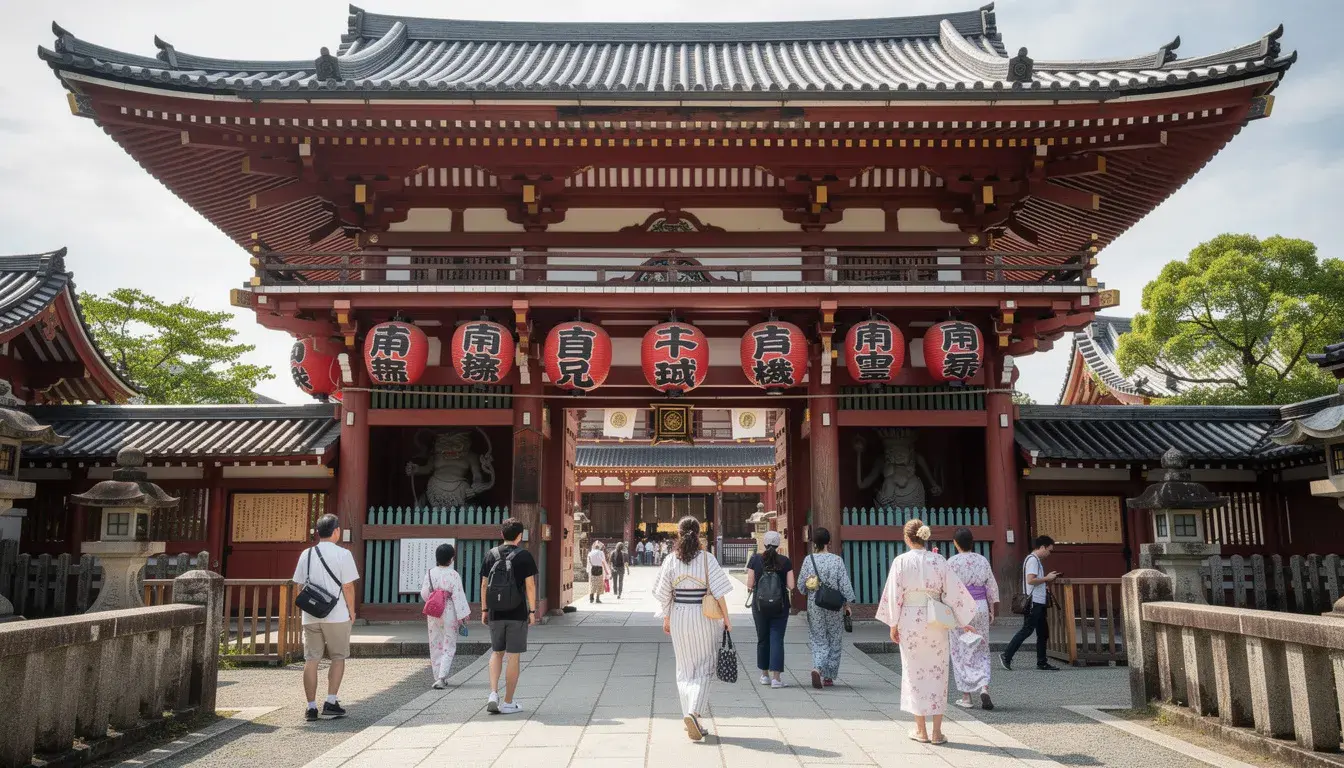
Sensoji Temple in Asakusa is Tokyo’s oldest Buddhist temple, founded in 645 AD and dedicated to Kannon, the bodhisattva of mercy. Though rebuilt after wartime damage, it remains a major Tokyo attraction, drawing over 30 million visitors yearly and offering a glimpse into the city’s spiritual roots.
Start your visit at the famous Kaminarimon Gate, where a giant red lantern hangs beneath carvings of wind and thunder gods. Beyond the gate, Nakamise-dori stretches about 250 meters, lined with over 80 stalls selling traditional crafts, omamori charms, ningyo-yaki cakes, and souvenirs. The lively atmosphere, scented with incense and filled with vendor calls, feels like stepping back to Edo-period Tokyo.
At the main hall, you can join simple rituals like wafting incense smoke for good luck, drawing an omikuji paper fortune (tying bad fortunes to racks to leave misfortune behind), and offering prayers. The temple grounds are open 24/7, with shops and halls typically open from 9 AM to 5 PM.
Getting there is easy via Asakusa Station on the Ginza or Asakusa Lines. While in the area, don’t miss the free observation deck at the Asakusa Culture Tourist Information Center, which offers great views of both Sensoji Temple and Tokyo Skytree. A stroll along the nearby Sumida River, especially during cherry blossom season, provides beautiful vistas of the towering Tokyo Skytree across the water.
Tokyo Skytree and Sumida River Area
Standing at 634 meters, tokyo skytree dominates eastern Tokyo’s skyline as the world’s tallest tower. Completed in 2012 as a broadcasting tower, it now serves as one of the city’s premier observation points, with the Tembo Deck at 350 meters and the Tembo Galleria at 450 meters offering 360-degree views extending up to 100 kilometers on clear days.
Tickets are sold separately for each observation level, with weekday morning slots generally cheaper and less crowded than weekend evenings. High-speed elevators ascend 450 meters in just 50 seconds, and the glass floor sections on the Tembo Deck add a vertiginous thrill for those willing to look down. Winter mornings offer the clearest conditions for spotting Mt Fuji on the horizon, while sunset and evening visits reward you with Tokyo’s endless sea of lights spreading in every direction.
At the base, Tokyo Solamachi mall houses over 300 shops and restaurants, including character stores, an aquarium with penguins and deep-sea exhibits, and casual dining options with tower views. The complex makes a convenient lunch or shopping stop before or after your observation deck visit.
Tokyo Skytree pairs naturally with Asakusa in a single day. The Tobu Skytree Line connects directly from Asakusa, or you can walk the roughly 1.5-kilometer route along the Sumida River, crossing at one of several pedestrian bridges. This combination gives you both ancient Tokyo and ultra-modern Tokyo within a few hours.
Ueno Park and Traditional Museums
Established in the 1870s, ueno park ranks among Tokyo’s oldest public spaces and its most culturally significant. The park sprawls across 133 acres and contains some of Japan’s most important museums, making it essential for visitors interested in Japanese art, history, and natural science.
The Tokyo National Museum houses the country’s largest collection of Japanese art and antiquities, including samurai armor, Buddhist sculptures, ukiyo-e prints, and ceramics spanning centuries. The National Museum of Nature and Science appeals to families with dinosaur skeletons and interactive exhibits, while Ueno Zoo—Japan’s olde
st—attracts crowds for its giant pandas. Art lovers should note the National Museum of Western Art, designed by Le Corbusier and featuring works from Monet to Pollock.
Beyond the museums, Ueno offers natural beauty and quiet corners. Shinobazu Pond fills with lotus leaves in summer and attracts waterfowl year-round, with the Bentendo temple perched on a small island accessible by causeway. During cherry blossom season, Ueno’s 800-plus trees draw over 2 million visitors for hanami picnics, creating a festive atmosphere that can verge on overwhelming.
Visit on weekdays to avoid the densest crowds, and plan for at least half a day if you intend to enter one or more museums. The contrast between Ueno’s cultural calm and Shibuya’s commercial energy illustrates just how many different Tokyos exist within a single city.
Nezu Shrine or Gotokuji Temple for Quieter Charm
For travelers seeking a break from major tourist attractions, two lesser-known sites offer distinctive experiences and excellent photo opportunities without the crowds.
Nezu Shrine ranks among Tokyo’s oldest Shinto shrines, with origins dating back over 1,900 years. The current buildings, designated Important Cultural Properties, survived the 1923 earthquake and World War II bombings. The shrine is best known for its azalea gardens, which explode in color during mid-to-late April, and its tunnel of small red torii gates reminiscent of Kyoto’s famous Fushimi Inari—but far less crowded. Access is simple via Nezu Station on the Chiyoda Line, and the surrounding Yanaka neighborhood retains an old-town atmosphere with traditional shops and narrow streets.
Alternatively, Gotokuji Temple in Setagaya ward claims fame as the birthplace of the maneki-neko, the beckoning cat figurine seen throughout Japan. Hundreds of cat statues in various sizes fill the temple grounds, left by visitors whose wishes were granted. The sight of all those white cats with raised paws creates surreal and surprisingly moving scenes. The temple sits near gotokuji station on the Odakyu Line, a short ride from Shinjuku or the trendy Shimokitazawa neighborhood.
Either option makes a rewarding half-day excursion when you want something beyond the standard first-timer checklist. Consider visiting one of these “hidden gems” on your third or fourth day, when the novelty of major attractions begins to fade and you’re ready for a slower pace.
Modern Tokyo: Neon, Pop Culture, and Unique Attractions
Tokyo’s futuristic side extends far beyond impressive skylines. The city has perfected the art of turning obsessions into entire districts, digital technology into immersive art, and everyday activities into uniquely Japanese experiences. This section covers what makes Tokyo feel like no other city on Earth—anime culture, cutting-edge digital museums, themed entertainment, and experiences you’ll find nowhere else.
These attractions particularly appeal to teens, young adults, and anyone curious about contemporary Japanese culture. But even travelers with no particular interest in anime often find themselves captivated by the creativity, craftsmanship, and sheer commitment to experience that defines modern Tokyo.
Akihabara: Electric Town for Anime and Gaming
Akihabara earned its “Electric Town” nickname in the post-war decades when electronics shops dominated the area. Today, it’s the global hub of otaku culture—anime, manga, video games, and related merchandise. Around Akihabara Station on the JR Yamanote Line, you’ll find multi-story arcades, retro game shops, and stores selling everything from rare figurines to vintage consoles.
Exploring Akihabara is a deep dive into Tokyo’s unique pop culture scene. Even if you’re not a collector, the variety of merchandise, lively arcade games, and enthusiastic shoppers make it fascinating. Popular arcades like Sega and Taito Station offer floors packed with crane games, rhythm games, fighting games, and photo booths. Gachapon capsule toy machines line the streets, dispensing miniature collectibles for a few hundred yen.
Maid cafes and other themed cafes add to Akihabara’s charm. Here, waitstaff in costume serve elaborately presented food and sometimes offer interactive entertainment. Quality varies, so check recent reviews before visiting. Some cafes charge hourly rates plus food and drinks.
On Sundays, the main Chuo-dori street often becomes pedestrian-only, making for a relaxed stroll. Plan to spend a few hours here and bring cash for smaller shops and arcades. While it can be overwhelming, Akihabara offers some of the most distinct things to do in Tokyo, making it a must-visit for first-timers and pop culture fans alike.
Immersive Digital Art: teamLab Borderless or Planets
Tokyo hosts some of the world’s most impressive digital art museums, and the teamLab projects are must-see experiences for those interested in the blend of technology and art. These aren’t your typical museums—they’re immersive spaces where digital projections react to your movements, and the art continuously evolves.
The flagship teamLab Borderless opened in Azabudai Hills in 2024. It features rooms with flowing digital waterfalls, endless mirrored spaces, and seasonal projection displays. Meanwhile, teamLab Planets in Toyosu offers a more physical experience—you walk through knee-deep water surrounded by projections of koi fish, stroll through gardens filled with both real and digital flowers, and lie on surfaces that seem to dissolve into infinity.
Tickets sell out fast during busy times, so book one to two months ahead and arrive promptly, as late entry might not be allowed. Wear shorts or roll up your pants, avoid long skirts, and bring waterproof protection for your phone if you want underwater photos. Lockers are available for bags and shoes.
Plan for 60 to 90 minutes to explore, though you might stay longer if it’s not crowded. TeamLab Planets pairs well with dining in Toyosu or Odaiba, while teamLab Borderless is close to Roppongi Hills and the Mori Tower observation deck, making it easy to combine with other Tokyo attractions.
Tokyo From Above: Skytree, Tokyo Tower, and Free Viewpoints
First-time visitors to Tokyo should experience the city from above at least once, with several options catering to different budgets and tastes.
Tokyo Skytree offers the highest and most modern views, with observation decks at 350 and 450 meters providing sweeping panoramas. On clear winter mornings, you might even catch a glimpse of Mt Fuji. Tickets range from about 2,100 to 3,100 yen depending on the deck and time.
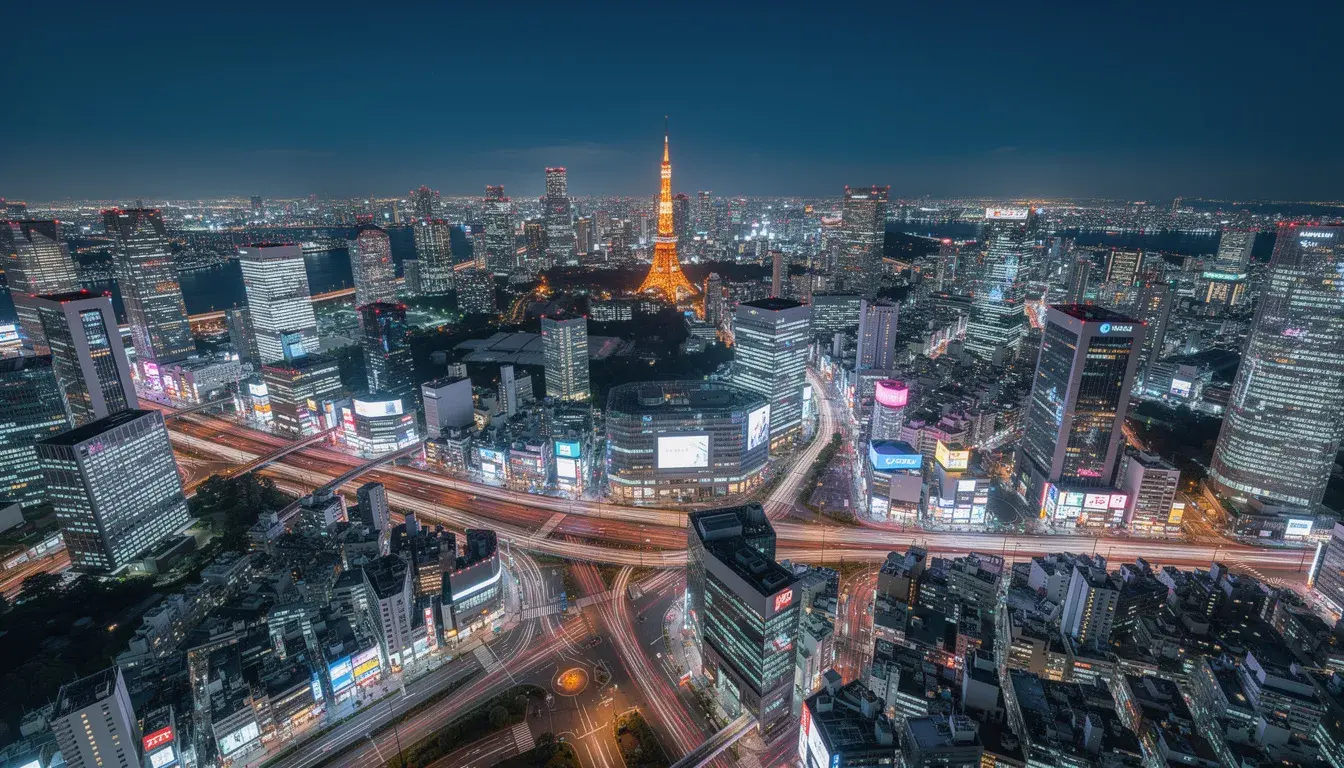
Tokyo Tower, the iconic red-and-white structure inspired by the Eiffel Tower and completed in 1958, offers a nostalgic vibe. Standing 333 meters tall with observation decks at 150 and 250 meters, it’s closer to central spots like Zojoji Temple and provides romantic evening views. Entry costs around 1,200 yen, making it a budget-friendly choice.
For free views, the Tokyo Metropolitan Government Building in Shinjuku has twin observation decks at 202 meters. The north tower stays open until 11 PM on clear nights, perfect for evening visits without a fee. Lines move quickly on weekdays, and the west-facing deck offers beautiful sunsets.
Among the many things to do in Tokyo, experiencing one of these observation decks is a memorable way to see the city’s vastness and contrasts. I recommend picking one paid deck—Shibuya Sky, Skytree, or Tokyo Tower—based on your location and interests, and adding the free Metropolitan Government Building for another evening. Booking tickets online can help you skip long lines.
Cosplay Go-Karting and Themed Experiences
For a truly unique experience, try street go-kart tours where you dress up in costumes and drive through Tokyo’s neighborhoods. Popular routes often pass through Asakusa, near Tokyo Tower, or along the Odaiba waterfront. Imagine cruising city streets in a Mario outfit while tourists snap photos—a memory unlike any typical sightseeing tour.
To join, you’ll need a valid driving license and an International Driving Permit (IDP) if your license isn’t Japanese. Traffic laws are strictly enforced, and operators carefully screen participants. Book ahead, especially in busy seasons, and consider late afternoon tours to enjoy both daylight and city lights.
Tokyo’s themed café scene goes far beyond maid cafés. Character cafés featuring Pokémon, Studio Ghibli, and other favorites pop up around the city, often requiring reservations weeks in advance. The Ghibli Museum in Mitaka is especially popular and notoriously hard to book—tickets sell out immediately when released monthly, so plan early.
Animal cafés, where you can interact with cats, owls, hedgehogs, and more, have become widespread. Quality varies, so research carefully and choose places that prioritize animal welfare. Avoid cafés where animals seem stressed or poorly cared for. Ethical options do exist, but it’s important to be selective.
Karaoke: A Classic Tokyo Night Out
Private-room karaoke in Tokyo offers a fun and uniquely Japanese nightlife experience. Instead of singing on stage for strangers, you rent a private room, called a “box,” where you and your group can sing freely while staff serve drinks and snacks.
You typically pay by time blocks—30 or 60 minutes—per person, with prices varying by time and venue. Evening sessions cost more than afternoons. Popular chains like Big Echo, Karaoke Kan, and Joysound have locations across Shinjuku, Shibuya, and Ikebukuro. Most places offer extensive English song catalogs and touchscreen menus with English options.
Karaoke is perfect for groups and couples, providing a private, relaxed space to be silly, competitive, or emotional. Many venues also offer all-you-can-drink plans (nomihoudai), which can be a good deal if you plan a long session—just pace yourself if you need to catch the last train.
Rooms are family-friendly during the day and great for anyone who feels shy about singing in public. Private karaoke is less about performing and more a beloved social ritual in Tokyo—so embrace the fun and enjoy the moment.
Foodie Things to Do in Tokyo
Tokyo holds more Michelin stars than any city on Earth—over 200 at last count—but the city’s food culture runs far deeper than fine dining. The same dedication to craft that produces sublime omakase sushi appears in standing soba counters, late-night ramen shops, and izakaya where the yakitori master has been perfecting his technique for decades.
This section covers must-try food experiences rather than specific restaurant recommendations. The goal is helping you understand Tokyo’s food landscape so you can make discoveries of your own—because often the most memorable meals happen at places you stumble upon while wandering.
Tsukiji Outer Market and Toyosu Fish Market
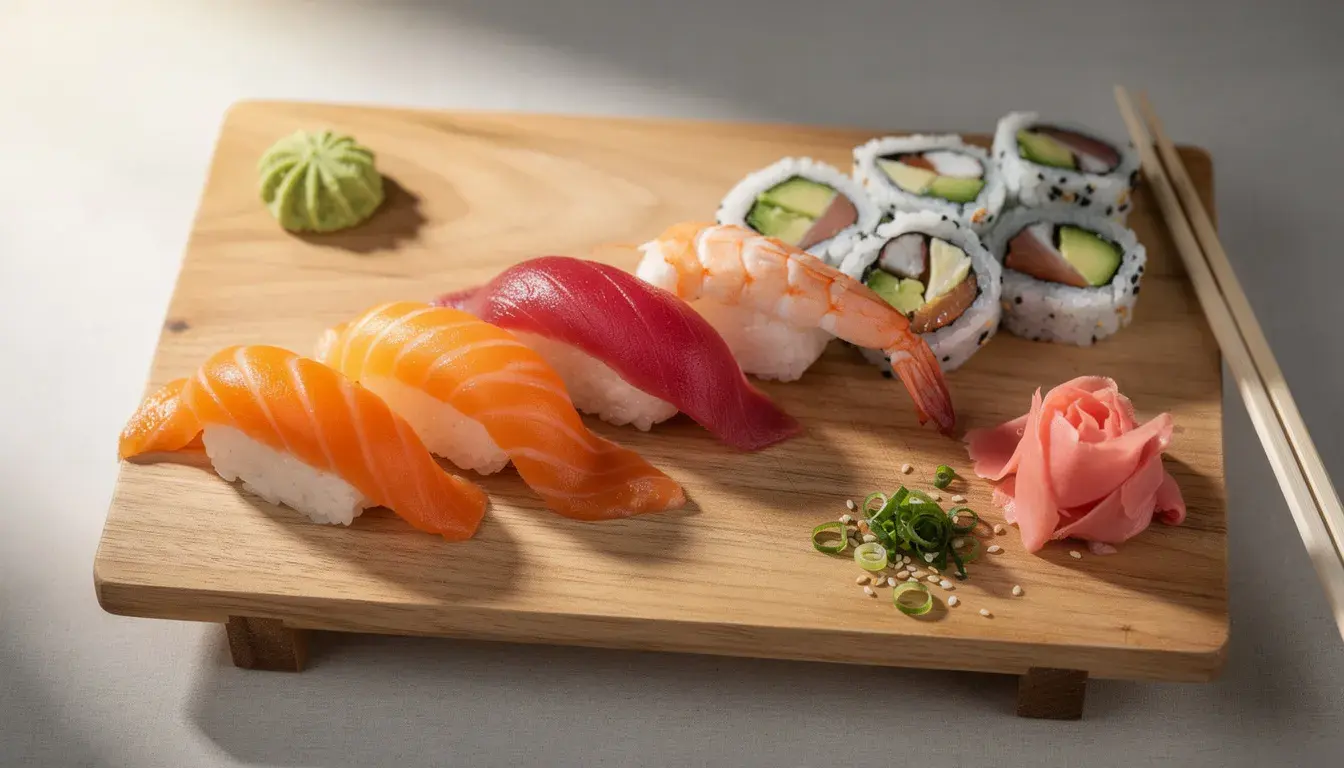
Understanding Tokyo’s fish market scene helps avoid confusion. In 2018, the famous tuna auctions moved from Tsukiji’s inner market to the new Toyosu Market. However, the Tsukiji Outer Market—filled with small shops and eateries around the old wholesale site—remains lively and welcoming.
Here, vendors sell fresh sushi, tamagoyaki (rolled omelet), grilled seafood skewers, and kitchen tools like knives and pottery. Tokyo chefs have relied on this market for generations, and the quality shows. Visit in the morning for the freshest food and smaller crowds—by afternoon, popular stalls close or run out.
For a full market experience, Toyosu Market offers tours and glass-window views of the early tuna auctions, but you’ll need to book ahead and arrive very early. Most visitors find Tsukiji Outer Market more accessible and just as atmospheric. Its narrow lanes, lively calls, and chance to enjoy fresh seafood for breakfast make it a must for food lovers.
Ramen, Tempura, and Everyday Japanese Comfort Food
Ramen culture in Tokyo deserves more than a quick mention. Many shops use vending machines at the entrance for ordering—you insert cash, press buttons for your choices, get a paper ticket, and hand it to the staff when seated. This system makes ordering easy even without speaking Japanese, and picture menus help a lot.
Tokyo’s ramen styles vary by neighborhood. Tonkotsu offers a rich, creamy pork bone broth; shoyu is a clear soy sauce base; miso is hearty and flavorful; and yuzu shio is lighter with a citrus twist. Great ramen spots can be found in Shinjuku, Shibuya, and Ikebukuro, so exploring to find your favorite is part of the fun.
Beyond ramen, Tokyo’s everyday food scene is vast. Standing soba counters at train stations serve quick buckwheat noodle bowls for a few hundred yen—perfect between sightseeing. Tempura counters let you watch chefs fry veggies and seafood to crispy perfection. Japanese curry rice (kare raisu) is comforting, filling, and widely available.
If you have dietary restrictions, vegetarian options exist but need some research. Many broths contain fish stock even if they seem meat-free. Thankfully, apps and websites now help find vegetarian-friendly spots, and Google Translate works well for menus when servers can’t assist.
Izakaya Alleys and Yakitori Streets
Izakaya—Japanese pubs serving small plates alongside drinks—provide one of Tokyo’s most rewarding social food experiences. You’ve already encountered Omoide Yokocho in Shinjuku, but similar atmospheric alley clusters exist throughout the city.
Under the tracks near Yurakucho Station, smoke rises from yakitori grills as office workers decompress with beer and skewers. The Shimbashi area offers similar after-work energy with less tourist awareness. These spots typically operate from late afternoon until late evening, with the crowd skewing more local as the night progresses.
The typical izakaya experience involves ordering several small dishes to share—yakitori (grilled chicken skewers), karaage (fried chicken), edamame, grilled fish, pickles, and dozens of other options—alongside draft beer, sake, shochu highballs, or non-alcoholic drinks. Most establishments have cover charges (otoshi), which include a small appetizer and typically run 300–500 yen per person. This is standard practice, not a scam.
Ordering style varies by establishment. Some use paper menus you mark with pencils; others have tablet ordering; some require flagging down servers. Dishes arrive as they’re ready rather than in courses, and you’ll share everything on the table rather than ordering individual entrées. When finished, request the bill (okaikei kudasai or gesturing for a check works universally) and pay at the table or register. Tipping doesn’t happen in Japan—excellent service is simply expected.
Sweets, Cafés, and Department Store Food Basements
Japanese department stores feature some of the world’s most spectacular food halls, known as depachika, usually located in basement floors. These food halls offer an incredible variety of bento boxes, prepared foods, pastries, fruit, and specialty items, all presented with stunning attention to detail.
Major department stores like Isetan in Shinjuku, Takashimaya in Nihonbashi, and Tokyu Food Show in Shibuya dedicate entire floors to food. Here, you’ll find everything from elaborate kaiseki-style bento to simple rice-and-protein combos—perfect for a picnic in Shinjuku Gyoen National Garden or Ueno Park. If you’re catching a shinkansen to Kyoto or beyond, grabbing an ekiben (station bento) from these selections will make your journey feel extra special.
Don’t miss out on Japanese sweets, which deserve their own spotlight. Taiyaki—fish-shaped cakes filled with sweet red bean paste or custard—are popular street treats. Mochi and daifuku offer chewy, delightful textures with various fillings. Matcha flavors everything from ice cream to tiramisu, and seasonal fruit parfaits showcase the freshest local produce with artistic flair.
For fans of Studio Ghibli, areas like Shimokitazawa and Kichijoji offer charming Totoro cream puffs and other themed treats that are as delicious as they are Instagram-worthy. Japanese pastry chefs truly turn desserts into edible art, crafting sweets shaped like bonsai trees, cats, and seasonal flowers, making every bite a feast for the eyes as well as the palate.
Final Thoughts: Is Tokyo Worth Visiting?
Tokyo is not just worth visiting—it’s essential. No other city on Earth offers this particular combination of ancient tradition and bleeding-edge modernity, meticulous craftsmanship and wild creativity, overwhelming scale and intimate detail. You can spend a morning in a 1,300-year-old temple, an afternoon in a digital art museum that didn’t exist five years ago, and an evening in a bar with three seats where the owner has been mixing drinks for forty years.
First-time visitors should approach Tokyo with both a plan and flexibility. Cover the classics—sensoji temple, meiji shrine, shibuya crossing, at least one observation deck—but leave space in your itinerary for wandering. The best Tokyo experiences often happen when you’re slightly lost in a neighborhood you hadn’t planned to explore, discovering a ramen shop with no English menu but a patient owner, or stumbling into a festival you didn’t know was happening.
The city that seems impossibly large and potentially overwhelming from a distance reveals itself as surprisingly navigable once you arrive. Trains run on time to the second. Signs point where you need to go. People help when you’re confused. What remains is simply choosing among an absurd abundance of extraordinary experiences—and accepting that one visit tokyo cannot capture everything. Most travelers leave not exhausted by what they managed to see, but already planning their return.


0 Comments
Leave a Comment