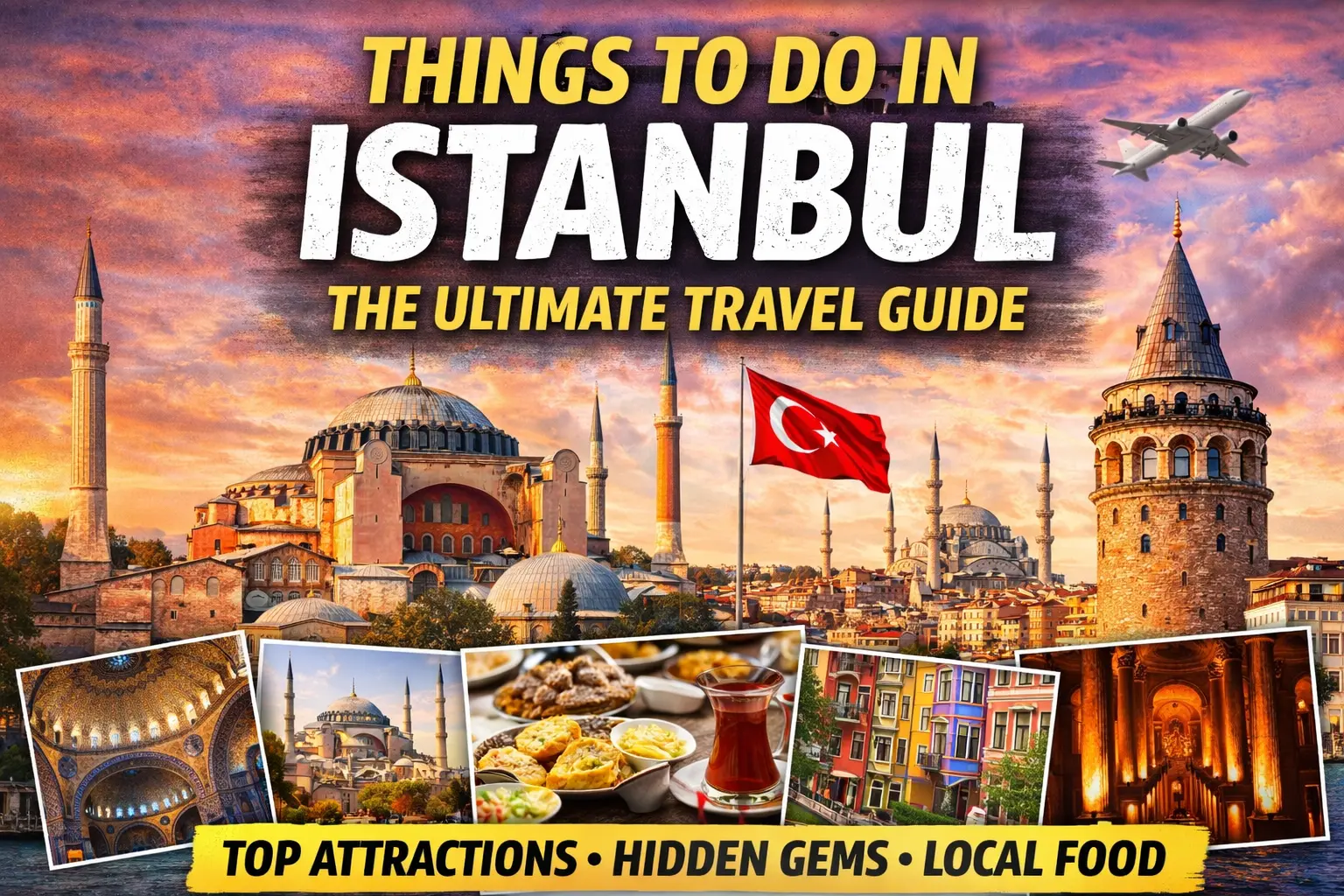

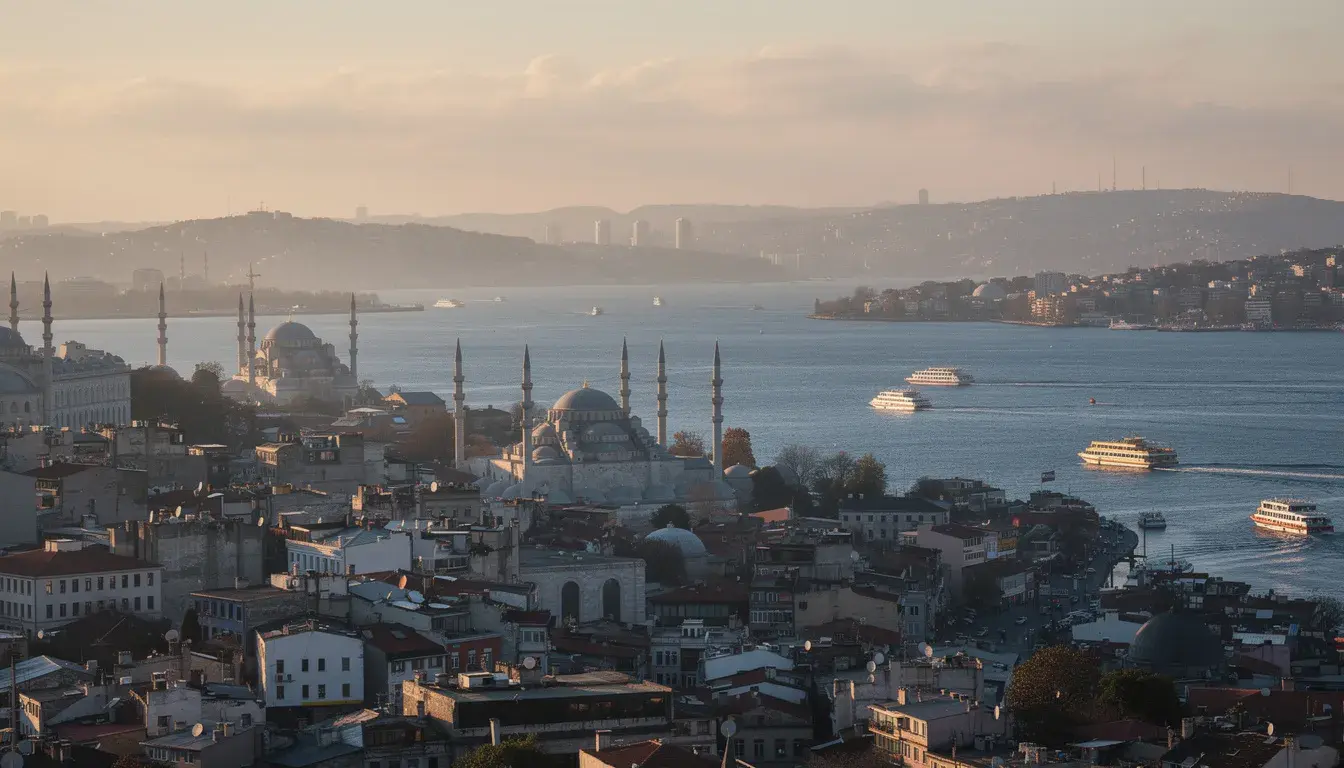
Istanbul greets you with minarets piercing the skyline, ferries crisscrossing between continents, and the call to prayer echoing across the Bosphorus. This is the city where Europe meets Asia, where Byzantine emperors once walked the same streets that Ottoman sultans later transformed, and where 15 million residents create a vibrant pulse that visitors feel the moment they arrive.
This guide combines the major attractions every first-timer needs—Hagia Sophia, the Blue Mosque, the Grand Bazaar—with the local neighborhoods, food experiences, and off-beat corners that make visiting Istanbul genuinely unforgettable. Whether you’re planning a quick weekend or a longer stay, you’ll find practical advice that goes beyond the obvious.
What you’ll find in this guide:
The absolute must-see historic sites and how to visit them smartly
Bosphorus cruises and ferry experiences between the European and Asian sides
Neighborhood guides from colorful Balat to bohemian Kadıköy
Food and drink recommendations from street food to Turkish breakfast
Day trip ideas including the car free islands
Practical tips on timing, transport, and getting around
STOP — QUICK REALITY CHECK BEFORE YOU PLAN YOUR ISTANBUL TRIP
If you're traveling to Istanbul from Europe, the U.K., the U.S., Australia or anywhere abroad, get your mobile data sorted before you land. This isn’t optional — it’s essential.
In Istanbul, you’ll rely on your phone constantly. From navigating the tram system and ordering rides to translating menus and finding your hotel in Sultanahmet’s maze-like streets — you need fast, reliable data. Public Wi-Fi is inconsistent, hotel connections are often slow, and airport SIM kiosks usually charge inflated tourist prices.
The smart move? Install an eSIM before your flight—and use a guide to choosing the best eSIM for travelers to compare plans and coverage before you buy.
With Roambit.io, you can get 20GB of high-speed data for just $14.99, ready to activate the moment you land. No physical SIM, no queues, no stress.
Trust me — when you're standing outside Hagia Sophia trying to navigate to your next stop, your future self will thank you.
Save 10% on Your Roambit.io eSIM – Use Code: EMMA10
The Absolute Must-Sees in Istanbul
This section covers the core historic sights in and around Sultanahmet and the Golden Horn that every first-time visitor should prioritize. These are the places to visit that define Istanbul’s rich history—the landmarks that have shaped civilizations and continue to draw millions of travelers each year.
Plan to spend your first full day or two in this city’s historic district, where you can walk between most major attractions. Each site below includes what to see, when to go, and how long to spend.
Hagia Sophia: Istanbul’s Timeless Icon
Hagia Sophia was completed in 537 AD under Emperor Justinian I, and for nearly 1,000 years it stood as the world’s largest cathedral. The engineering achievement was so remarkable that the 31-metre-wide central dome—reaching 55.6 meters in height—remained unmatched for centuries.
The building’s roles across time tell Istanbul’s entire story:
Byzantine cathedral (537–1453): The heart of Eastern Orthodox Christianity
Ottoman mosque (1453–1935): Converted after the conquest, with Arabic calligraphy medallions added
Museum (1935–2020): A secular space preserving both Christian and Islamic elements
Active mosque (2020–present): Returned to use as a place of worship
The Blue Mosque (Sultan Ahmed Mosque)
The Sultan Ahmed Mosque—known worldwide as the Blue Mosque—faces Hagia Sophia across Sultanahmet Square, creating one of the most photographed scenes in Istanbul. Completed in 1616 under Sultan Ahmed I, it was built to rival its ancient neighbor.
What makes it distinctive:
Six minarets (controversial at the time, matching Mecca’s count)
Cascading domes creating a dramatic exterior silhouette
More than 20,000 hand-painted blue İznik tiles covering the interior
A 43,000 square meter courtyard that can accommodate 10,000 worshippers
Topkapi Palace: Life of the Ottoman Sultans
Topkapi Palace functioned as the primary residence and administrative hub for Ottoman sultans from the late 15th century through to the mid-19th. For nearly 400 years, 25 sultans ruled an empire spanning three continents from these palace grounds overlooking the Bosphorus.
Today the palace is one of Istanbul’s most important museums, housing over 300,000 artifacts. The complex sprawls across 700,000 square meters with four main courtyards.
Must-see areas:
Section | Highlights | Notes |
|---|---|---|
Imperial Gate & First Courtyard | Ceremonial entrance, gardens | Free access |
Imperial Treasury | Topkapi Dagger, 86-carat Spoonmaker’s Diamond, gold relics | Included in main ticket |
The Harem | 300 ornate rooms, Hürrem Sultan’s quarters, İznik tilework | Separate ticket required |
Pavilion of Holy Relics | Prophet Muhammad’s mantle, sacred items | Included in main ticket |
Marble Terrace | Panoramic Bosphorus and Golden Horn views | Don’t miss at sunset |
Basilica Cistern: Istanbul Underground
The Basilica Cistern is a 6th-century underground water reservoir located a few minutes’ walk from Hagia Sophia. Built under Emperor Justinian I around 532 AD, it stored 80,000 cubic meters of water to supply the Great Palace during sieges.
Descending the 52 steps, you enter a subterranean forest of 336 marble columns—each 9 meters tall, many recycled from pagan temples—supporting 12-meter vaulted ceilings. The dim lighting, shallow water reflecting the columns, and cool 12–15°C temperatures create an otherworldly atmosphere.
Key features:
Two famous Medusa head column bases (one inverted, one sideways—legends say this neutralized ancient curses)
Ghostly carp patrolling the shallow waters
Approximately 9,800 m² of underground space
Modern art installations often hosted inside
The cistern’s Byzantine engineering prowess impressed visitors for centuries—it even appeared in the James Bond film “From Russia with Love.”
The Grand Bazaar: Historic Shopping Maze
The Grand Bazaar (Kapalıçarşı) is one of the oldest covered markets in the world, founded in 1461 and now covering more than 60 streets with around 4,000 shops. Walking its labyrinthine alleys is one of the essential things to do in Istanbul.
What you’ll find:
Hand-knotted Turkish carpets and kilims (Hereke silk varieties can fetch $10,000+)
Brass lanterns hammered using traditional techniques
İznik ceramics replicating 16th-century patterns
Gold jewelry (22k purity standard)
Leather goods from Cappadocian tanneries
Textiles, souvenirs, and antiques
Old hans (caravanserais) and small mosques inside the complex
The Spice Bazaar (Egyptian Bazaar)
The Spice Bazaar near Eminönü offers a smaller, easier-to-navigate alternative to the Grand Bazaar. Built in 1660 with funding from Cairo taxes, this L-shaped market remains one of Istanbul’s most sensory experiences.
Common finds:
Colorful spice pyramids (saffron runs $10–20/gram)
Turkish delights in pistachio-rose and dozens of other variants
Dried apricots from Malatya (Turkey produces 300,000 tons yearly)
Hazelnuts (Turkey supplies 95% of the world’s hazelnuts)
Herbal teas and local honey
Dried fruits and nuts
The Egyptian Bazaar is perfect for picking up edible souvenirs, though checking prices in nearby streets often reveals better value. Haggling intensity is lower here than at the Grand Bazaar, but quality checks still matter—ask about origins and freshness.
Planning tip: After exploring the spice market, wander to the waterfront at Eminönü to see ferries, seagulls, and street vendors selling simit and balık ekmek (fish sandwiches). The area around Galata Bridge buzzes with local markets and fishing activity.
Galata Tower and the Golden Horn View
Galata Tower is a 14th-century stone tower built by the Genoese in 1348, now a UNESCO-listed landmark overlooking the Golden Horn. The 66.9-meter structure offers one of the best panoramic views in Istanbul.
From the 9th-floor viewing platform, you’ll see:
The historic peninsula with Sultanahmet’s mosques
The Bosphorus Strait stretching toward the Black Sea
The Asian side across the water
Over 500 mosque minarets dotting the Istanbul skyline
Neighborhoods to Explore Beyond Sultanahmet
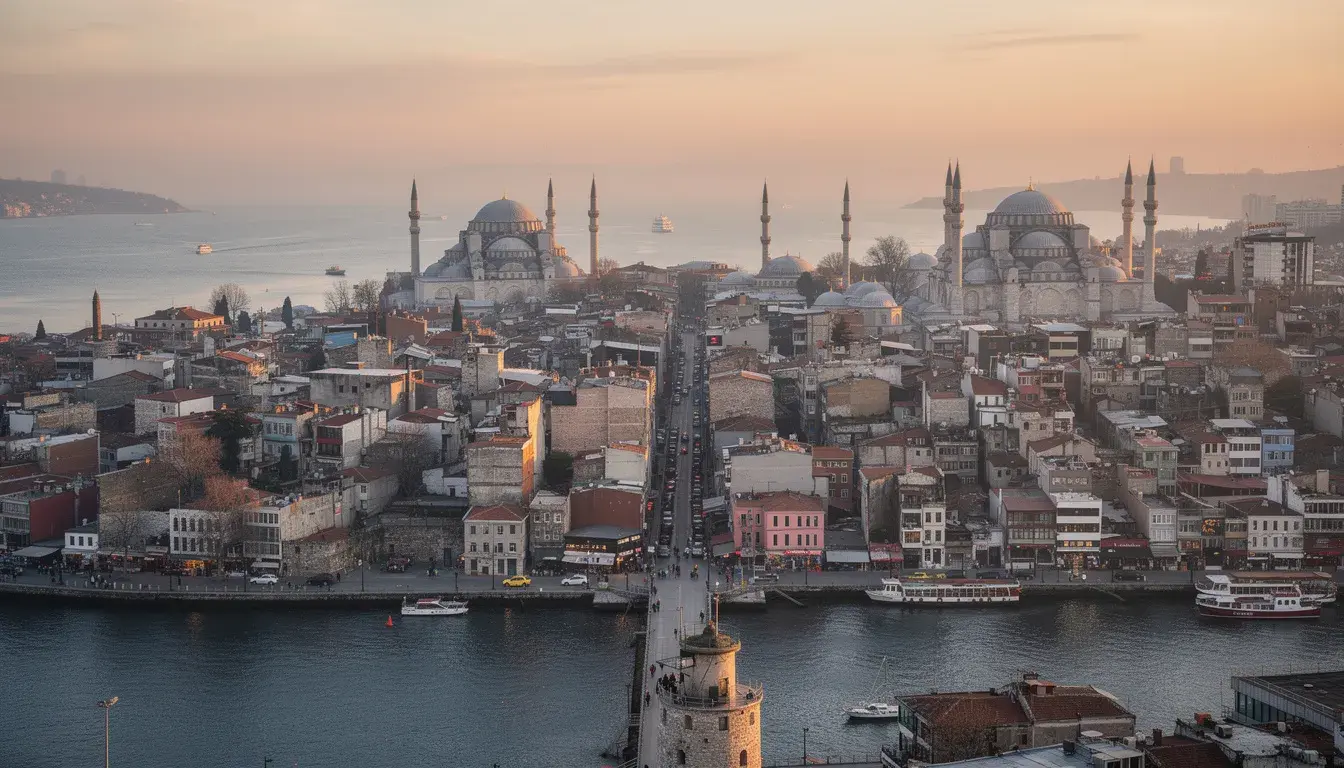
Istanbul’s character really reveals itself in its neighborhoods beyond the Old Town. Each district has a distinct vibe—from the colorful historic streets of Balat to the bohemian cafes of Cihangir to the local markets of Kadıköy on the Asian side.
In these areas, photography and people-watching are as important as formal sightseeing. Slow down, get lost in side streets, and let the lively atmosphere guide you.
Balat and Fener: Colorful Historic Streets
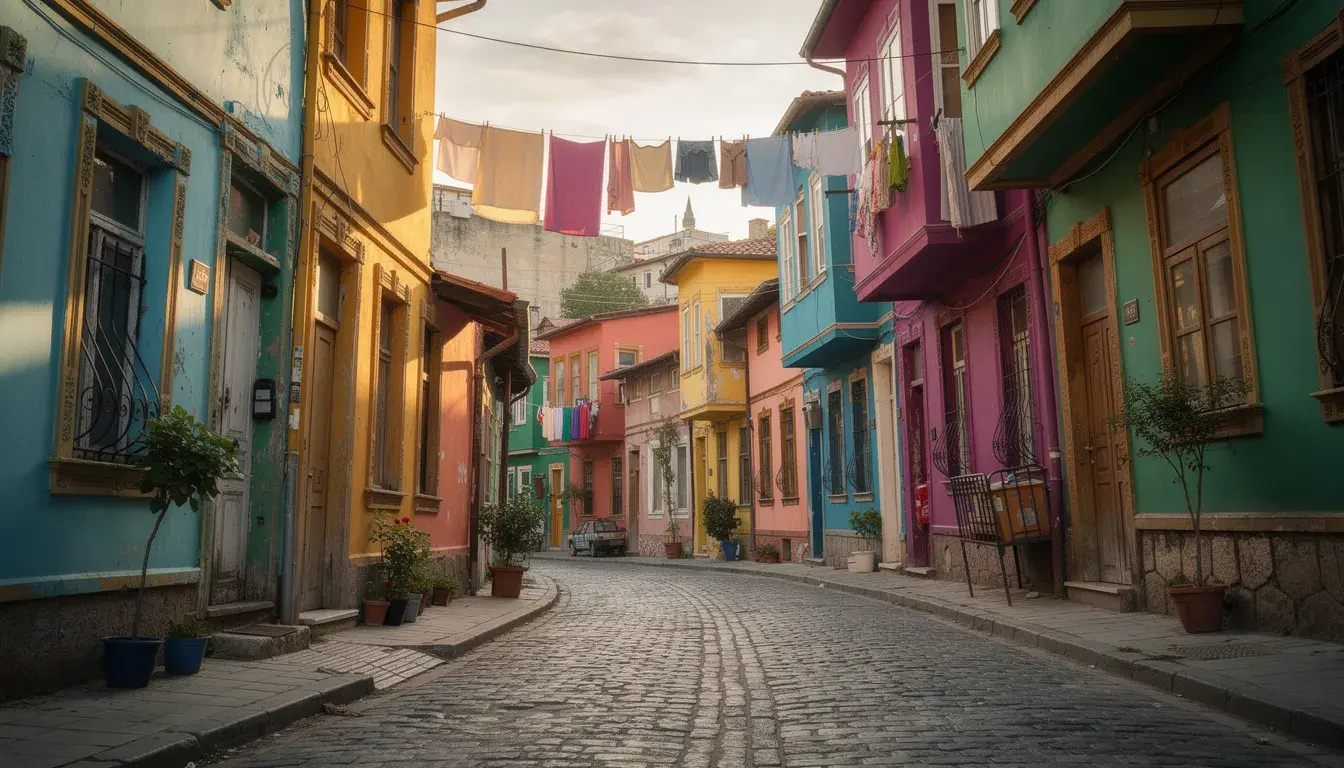
Balat and neighboring Fener sit along the Golden Horn as former Jewish and Greek quarters, now one of Istanbul’s most photogenic neighborhoods. The local community here includes descendants of various groups who’ve called these streets home for centuries.
What draws visitors:
Pastel and brightly painted houses on steep cobblestone streets
A mix of churches, synagogues, and mosques reflecting the area’s diversity
The striking red-brick Phanar Greek Orthodox College (“Red Castle”) perched on the hill
Eclectic cafes and antique shops along Vodina Caddesi
Vintage stores selling mid-century Turkish textiles
The neighborhood sees about 1/10th the visitors of Sultanahmet, making it ideal for those seeking hidden gems away from crowds. Gentrification has raised café prices, but authentic meyhane tavernas still serve traditional fare.
Planning tip: Visit in the morning for soft light and fewer people. Pair Balat with a walk along the waterfront toward central Istanbul. The streets here reward wandering without a strict agenda—some of the best moments come from stumbling onto a hidden courtyard or striking doorway.
Kadıköy and Moda: Local Life on the Asian Side
Kadıköy is a lively, mostly local district on the Asian side of Istanbul, reachable by a 20-minute ferry ride from Eminönü. Combined with the relaxed seaside neighborhood of Moda, it offers a window into everyday Istanbul life.
What to explore:
Kadıköy market streets packed with fishmongers, spice stalls, cheese vendors, and bakeries
Street art murals transforming building facades
Backstreet bars and charming cafes where locals gather
Moda’s waterfront path with sea views toward the European side
Moda Pier’s cultural space and seaside tea gardens
Weekend fish markets drawing 50,000 locals for fresh balık ekmek
This area shows what life in Istanbul looks like beyond the tourist zones—students studying in coffee shops, families shopping for dinner, artists in converted warehouse studios.
Çukurcuma and Cihangir: Bohemian Corners of Beyoğlu
Çukurcuma is Istanbul’s antiques quarter, filled with vintage stores selling furniture, rugs, records, and curios. Small art galleries and design shops dot the steep streets, drawing collectors and curious browsers alike.
Adjacent Cihangir offers a bohemian, artsy vibe with:
Coffee shops spilling onto narrow sidewalks
Resident cats lounging everywhere (Istanbul’s famous street cats are particularly abundant here)
Streets climbing the hill from Taksim toward Bosphorus views
Brunch spots popular with Istanbul’s creative class
The area connects to Istiklal Street and Istiklal Avenue, the famous pedestrian thoroughfare linking Taksim Square to Tünel. Along this 1.4km stretch, you’ll find historic buildings, consulates, churches, bookshops, and the nostalgic red tram.
Bebek and the Bosphorus Promenade
Bebek is an upscale Bosphorus neighborhood with elegant homes, embassies, and trendy waterfront cafes. The coastal promenade between Beşiktaş, Ortaköy, and Bebek offers one of Istanbul’s most pleasant walks.
The promenade experience:
Views of the Bosphorus Bridge (built 1973, spanning 1,074 meters)
Joggers, families, and fishermen along the waterfront
Stylish brunch cafes with Bosphorus views
Historic patisseries and juice stands
Ortaköy’s weekend craft market and the baroque Ortaköy Mosque
The atmosphere here is relaxed and affluent—a contrast to the historic intensity of the Old Town.
Karaköy and Galata: Street Art and Cafes
Karaköy, once an industrial dock area, has transformed into a creative hub with street art, boutique shops, and some of Istanbul’s best coffee spots. The business district atmosphere mixes with galleries and design studios.
What to discover:
Walking from the Karaköy ferry terminal up hilly streets toward Galata Tower
Colorful murals on building facades
Independent galleries and bakeries along the climb
Photo-friendly corners around small squares
Istanbul Modern, the city’s flagship contemporary art museum, in its new Bosphorus-side building
The area exemplifies Istanbul’s layers—19th-century warehouses now house specialty coffee roasters, while ancient synagogues sit near contemporary design shops.
Cultural Experiences, Museums & Hammams
Beyond mosques and palaces, Istanbul’s cultural scene includes modern museums, niche collections, and traditional Turkish baths that connect you to Ottoman history and contemporary Turkish life.
Plan for at least one museum visit and one hammam experience during your trip—they offer different perspectives on what makes this ancient city tick, just as broader travel guides and destination tips and personal travel-focused reviews and tools can shape how you experience each region of the world.
Turkish Hammam Experience
The hammam tradition stretches back centuries—a bathing ritual involving steam, scrubbing, and foam massage that was historically central to Ottoman daily life. Today, experiencing a traditional Turkish bath remains one of the most memorable things to do in Istanbul.
Istanbul Archaeology Museums
The Istanbul Archaeology Museums complex near Topkapi ranks among Turkey’s most important collections, covering civilizations across Anatolia and the wider region. The complex includes three buildings: the main Archaeology Museum, the Museum of the Ancient Orient, and the Tiled Kiosk.
Highlights include:
The Alexander Sarcophagus (4th century BC), with remarkably preserved battle scenes
Ancient artifacts from Troy and other legendary sites
Cuneiform tablets from Mesopotamia
Ottoman tiles and ceramics in the Tiled Kiosk
The collections trace human history from prehistoric Anatolia through Greek, Roman, Byzantine, and Ottoman periods.
Museum of Turkish and Islamic Arts
This museum occupies a former Ottoman palace on Sultanahmet Square, overlooking the ancient Hippodrome where chariot races once thrilled Byzantine crowds.
Collection highlights:
Intricately woven carpets spanning centuries of Anatolian weaving traditions
Illuminated Qurans and religious manuscripts
Calligraphy demonstrating Islamic artistic traditions
Woodwork and metalwork from across the Islamic world
It’s a quieter alternative to the most crowded historical sites, ideal for visitors interested in decorative arts and religious history.
Museum of Innocence and Literary Istanbul
The Museum of Innocence in Çukurcuma is unlike any other museum—a concept created by Nobel Prize-winning author Orhan Pamuk based on his novel of the same name.
Its 83 display cases mirror the book’s chapters, evoking everyday life in Istanbul from the 1970s onward through collected objects: movie tickets, cigarette butts, newspaper clippings, household items, photographs. Whether or not you’ve read the novel, the museum creates a meditation on memory, love, and how objects carry personal histories.
Food & Drink Experiences You Can’t Miss
Eating in Istanbul is as important as sightseeing. Turkish cuisine spans street vendors serving 5 TL simit to elaborate meyhane feasts with dozens of meze dishes. From breakfast spreads to late-night street food, the city offers endless culinary discovery.
Plan at least one dedicated “food day”—or better yet, book a food tour that crosses from Europe to Asia, sampling along the way.
Traditional Turkish Breakfast
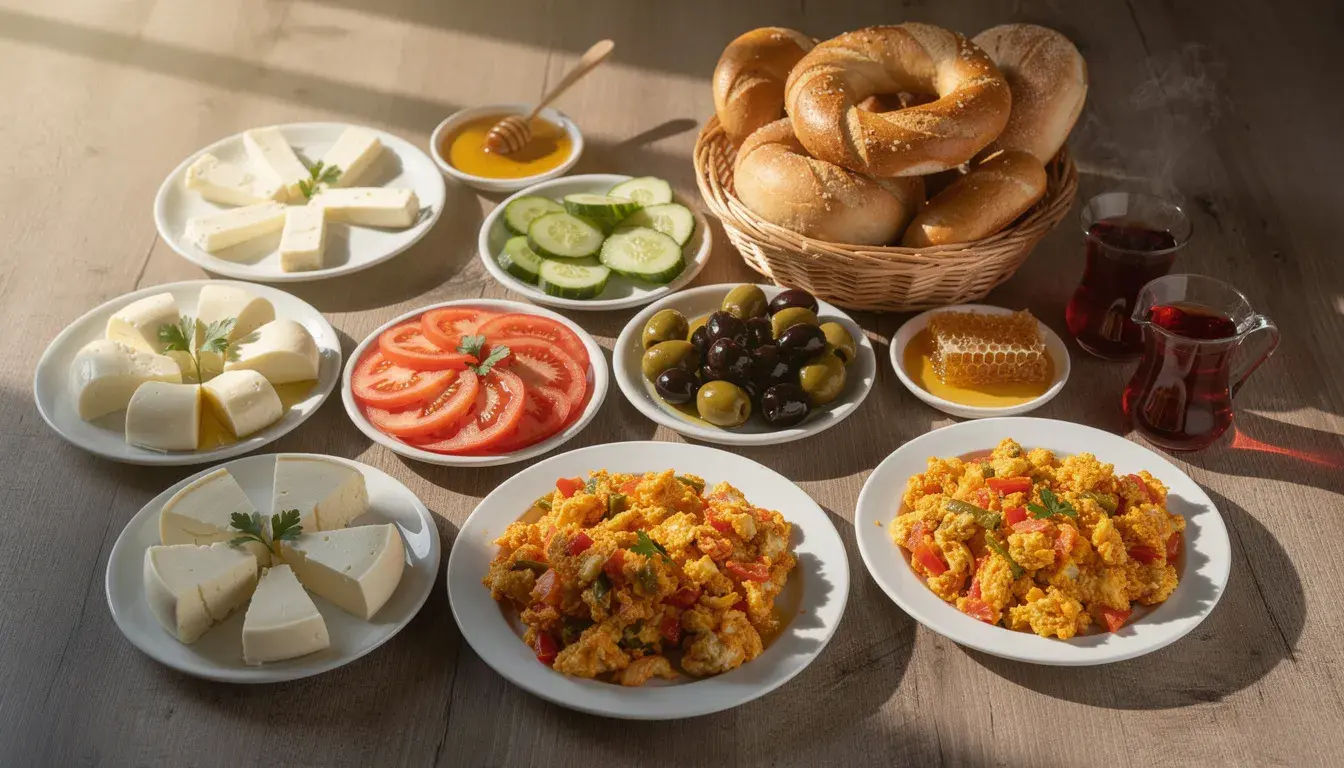
Turkish breakfast (serpme kahvaltı) isn’t a meal—it’s an event. Tables fill with small plates that keep coming: multiple cheeses, olives in various preparations, eggs (often menemen, a scrambled egg dish with tomatoes and peppers), jams, honey with clotted cream (kaymak), fresh tomatoes and cucumbers, butter, and basket after basket of fresh bread.
Where to find it:
Beşiktaş’s “breakfast street” (Van Kahvaltı Evi and others)
Café-lined streets in Kadıköy and Moda
Waterfront spots in Karaköy
Specialty breakfast houses throughout the city
Planning tip: Allow a slow morning—2 hours minimum—for breakfast and people-watching. Ideally, choose a terrace or waterfront spot. Turkish tea flows continuously; coffee grounds for Turkish coffee reading can cap the meal.
Street Food Classics
Istanbul’s street food scene operates around the clock, with different offerings for different times of day.
Turkish Food Name | Description | Where to Find | When |
|---|---|---|---|
Simit | Sesame-crusted bread rings | Street carts everywhere | Breakfast/anytime |
Balık ekmek | Grilled mackerel in bread | Eminönü boats near Galata Bridge | Lunch |
Midye dolma | Stuffed mussels with rice | Street vendors near Istiklal | Evening/night |
Kumpir | Loaded baked potato | Ortaköy waterfront | Lunch/dinner |
Kokoreç | Grilled seasoned lamb intestines | Street stalls throughout | Late night |
Islak burger | “Wet burger” steamed in garlic sauce | Taksim Square area | Late night |
Döner | Rotating meat carved into bread or wrap | Everywhere | All day |
Safety tips: Choose busy stalls with high turnover. Watch for freshly prepared items. Popular spots have queues for a reason.
Sweets, Coffee and Tea Culture
No Istanbul visit is complete without sampling the sweets that cap every meal.
Must-try desserts:
Baklava (40+ layers of phyllo, nuts, and syrup—Karaköy Güllüoğlu is legendary)
Künefe (shredded phyllo with melted cheese, soaked in sweet syrup)
Turkish delights (lokum in dozens of flavors)
Regional specialties from old-fashioned sweet shops
The tea ritual:
Turkish çay (tea) is served in tulip-shaped glasses, brewed strong, and offered constantly—in shops, after meals, during bargaining. Accepting tea is part of social interaction; refusing repeatedly can seem rude.
Turkish coffee:
Thick, strong, and unfiltered, Turkish coffee comes in a small cup with the coffee grounds settled at the bottom (don’t drink those). Served with a glass of water to cleanse the palate. The tradition of reading fortunes from the coffee grounds adds to the experience.
Planning tip: Enjoy tea or coffee with a panoramic view—a rooftop near Galata Tower, a Bosphorus café in Ortaköy, or a hilltop tea garden overlooking the Golden Horn. The combination of Turkish hospitality and stunning vistas defines the experience.
How to Get Around: Istanbulkart and Public Transport
The Istanbulkart is essential—a reusable transport card that works on trams, metros, buses, funiculars, and most ferries. It saves money and eliminates the need to buy individual tickets.
Getting your card:
Buy at machines in major metro/tram stations (small fee for the card itself)
Top up with cash or card at the same machines
Tap when boarding—multiple people can use one card by tapping for each passenger
Key routes for visitors:
Route | Type | Connects |
|---|---|---|
T1 tram | Tram | Kabataş → Sultanahmet → beyond (hits most Old Town sites) |
Tünel funicular | Funicular | Karaköy → Istiklal Avenue (one of world’s oldest subways) |
Eminönü–Kadıköy | Ferry | Europe to Asia |
F1 funicular | Funicular | Taksim → Kabataş (connects to ferry/tram) |
Final Thoughts: Is Istanbul Worth Visiting?
Absolutely.
Istanbul is a city where 1,500-year-old landmarks, Ottoman palaces, and contemporary art museums coexist with busy local markets and waterfront cafes. Few places in the world layer history so densely while maintaining such vital present-day energy.
The highlights in this guide—from Hagia Sofia and the Blue Mosque to Balat’s colorful streets, Kadıköy’s local markets, and Bosphorus cruises between continents—give you a strong foundation for planning any length of trip. But Istanbul offers more than checkboxes on a list.
The best advice: balance headline sights with wandering lesser-known streets. Try local food away from tourist traps. Ride ferries without a strict agenda. Sit in a tea garden and watch the city move past. Talk to shopkeepers. Get slightly lost.
Istanbul rewards repeat visits—every stay reveals new corners, flavors, and stories. Whether you have two days or two weeks, this major city at the crossroads of continents has something to show you that nowhere else can match.
Start planning, grab your Istanbulkart, and let the city surprise you.


0 Comments
Leave a Comment