

Stop – Quick Reality Check Before You Plan Your Dubai Trip
If you’re traveling to Dubai from Europe, the U.K., the U.S., Australia, or anywhere abroad, get your mobile data sorted before you land. Trust me, this makes your trip much easier, and destination-focused resources like Emma Travel’s Dubai and global destination guides are great for checking practical tips before you go.
Dubai is a city where you constantly use your phone. Apps for taxis like Careem and Uber, Google Maps for navigating the biggest mall in the world (Dubai Mall alone has over 1,200 stores), booking Burj Khalifa tickets, finding restaurant reservations – your phone becomes essential for everything. Hotel Wi-Fi often throttles to 5-10 Mbps during peak hours, and public Wi-Fi in malls and metro stations is inconsistent exactly when you need it most.
The easiest solution is installing an eSIM before your flight. With Roambit.io, you can get 20GB of high-speed data for just $29.99, ready to use as soon as you land. If you’re not sure which provider to use or how these plans work, a guide to choosing the best eSIM for travelers can help you compare options. No airport SIM card queues, no passport hassles at kiosks – just activate before departure and walk off the plane connected.
Here are some real-life scenarios where instant data saves you stress:
Standing outside Dubai Mall trying to find the Dubai Fountain entrance (that place is enormous)
Booking a ride at midnight from Dubai Marina when hotel Wi-Fi isn’t reaching your room
Checking desert safari pickup times while waiting in your hotel lobby
Looking up dress codes before entering a restaurant or cultural site
Navigating the narrow alleys of Old Dubai without getting lost
Why sort your data before landing:
Dubai International Airport handled 87 million passengers in 2023 – SIM queues can be long
Over 90% of visitors rely on smartphones for daily bookings and navigation
eSIM activation is instant with no physical card swapping
Reliable connection for late-night rides and fountain show timings
Peace of mind from the moment you step off the plane
Visit the Burj Khalifa and Downtown Dubai
Seeing the Burj Khalifa for the first time feels unreal. Pictures really don’t capture how massive it is – at 828 meters, it’s the world’s tallest building, visible from 20 kilometers away. The engineering behind it is staggering: a buttressed core system using high-strength concrete designed to withstand winds up to 240 km/h. But forget the specs for a moment. When you’re standing at its base at night, with lights reflecting off the surrounding lake and the Dubai Fountain shooting water choreographed to music, you understand why this is on every first-timer’s list.
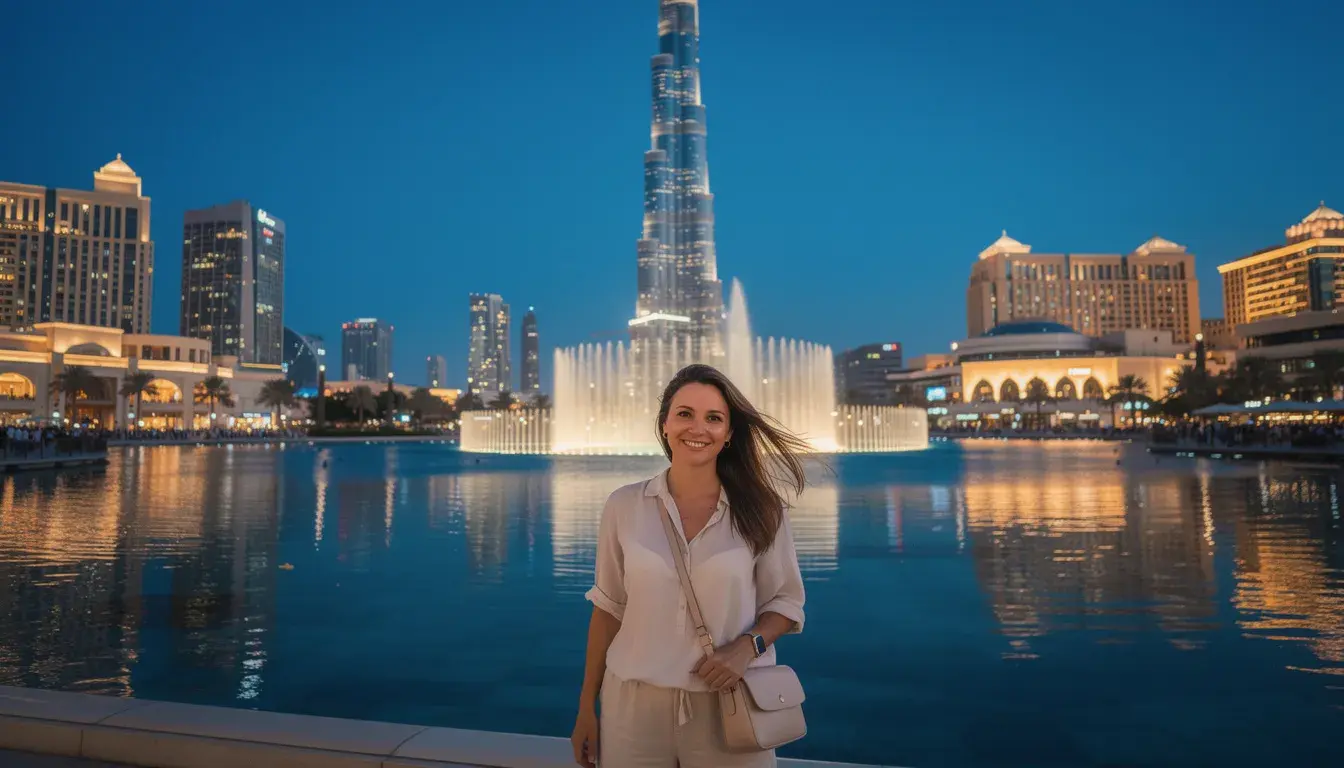
Two ways to experience Burj Khalifa:
Experience | Details | Price Range |
|---|---|---|
Free views from below | Burj Park, Souk Al Bahar bridge, Dubai Mall lakeside | Free |
At The Top (Level 124-125) | Standard observation deck, 360-degree views | AED 169 (~$46) |
At The Top SKY (Level 148) | Premium lounge experience, refreshments | AED 399 (~$109) |
The best time to visit is late afternoon into evening. Arrive around 5 PM to catch sunset from the observation deck, then head down to see the Dubai Fountain show. The fountains perform every 30 minutes starting at 6 PM, with 6,600 lights, 25 projectors, and 22,000 gallons of water per minute choreographed to everything from Arabic classics to pop hits. |
What’s in the downtown dubai area:
Dubai Mall – the globe’s largest mall by total area at 1.1 million square meters
Dubai Aquarium and Underwater Zoo – 10 million liters housing over 33,000 marine animals
Dubai Fountain boardwalk – walk-on platform for closer fountain views
Souk Al Bahar – traditional-style shopping arcade with terrace restaurants and skyline views
Burj Park – green space perfect for photos with the tower
Practical tips:
Book Burj Khalifa tickets 1-2 weeks ahead for prime sunset slots – they sell out fast, especially during winter peak season. If budget is tight, sunrise tickets are cheaper and less crowded. For free photo spots, the bridge connecting to Souk Al Bahar gives you both fountain and tower in frame. Budget at least half a day here including shopping, wandering, and dinner at one of the restaurants overlooking the fountain.
Go on a Desert Safari
One of the best things to do in Dubai is a desert safari. Within about 45-60 minutes of leaving downtown, you’re completely surrounded by red-gold dunes with no city skyline in sight. It’s one of those experiences that makes you realize Dubai isn’t just a modern metropolis – the Arabian Desert covers 99% of the UAE’s land, and the Bedouin heritage still runs deep.
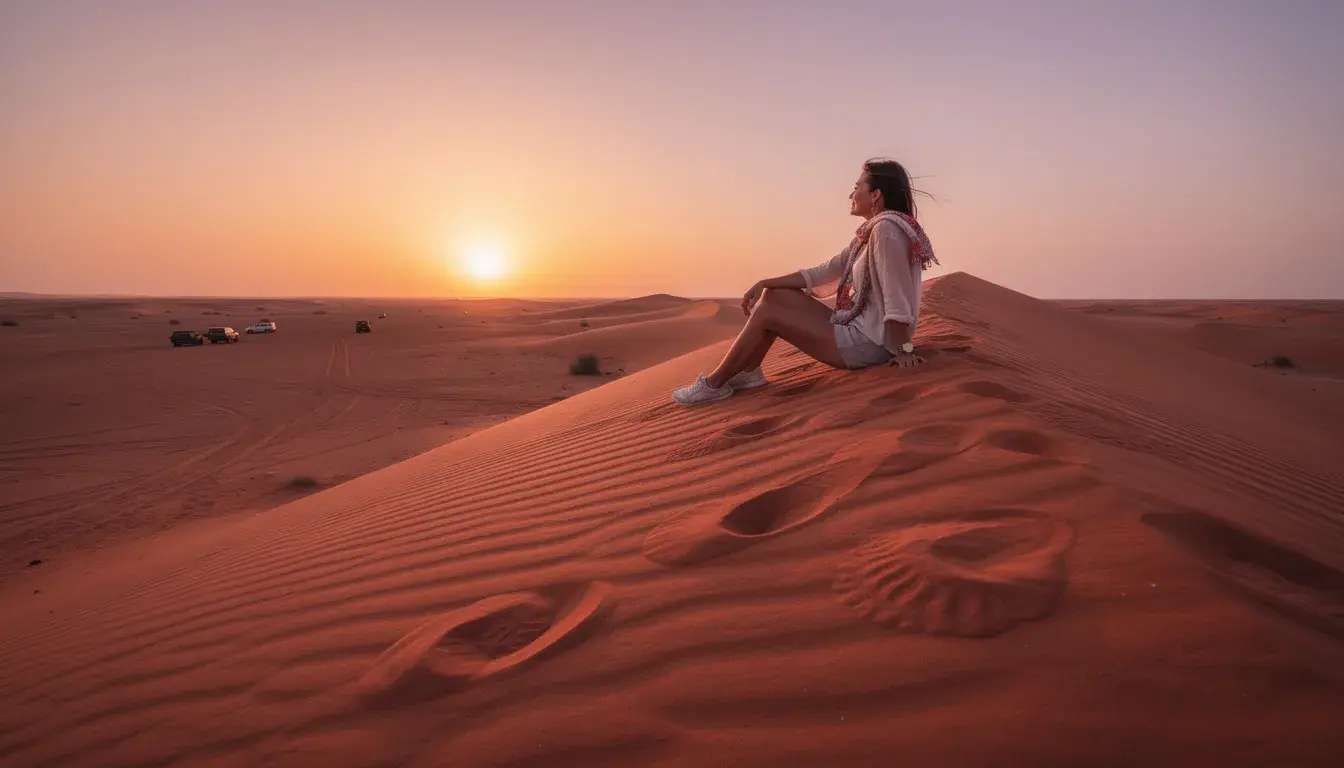
Typical afternoon-evening safari structure:
3:00 PM – Hotel pickup in a 4x4 vehicle
4:00 PM – Arrive at dunes, begin dune bashing (30-45 minutes of controlled skids over 30-meter dunes)
5:30 PM – Photo stop at sunset, camel ride opportunity
6:30 PM – Arrive at Bedouin-style camp for BBQ dinner
7:00-9:00 PM – Dinner with live entertainment (tanoura dancers, sometimes belly dancing)
9:30 PM – Return to hotel
Most tours include dune bashing, camel rides lasting 5-15 minutes, sunset photography, sandboarding, and dinner featuring lamb mandi (slow-cooked rice and meat). Premium options add quad biking or access to conservation areas like the Dubai Desert Conservation Reserve.
What first-timers shouldn’t skip:
Dune bashing – the controlled chaos of sliding over sand at sharp angles
Watching sunset from a dune ridge – the orange hues from atmospheric dust create incredible photos
Camel ride – even a short one gives you that classic desert experience
A gentle warning: Dune bashing can be rough. Around 20% of participants experience motion sickness. If you’re prone to carsickness, you can request a “softer” drive, or choose a tour focused more on photography and cultural activities.
Practical details:
Budget shared safaris run $22-49 per person (6-8 people per vehicle)
Private tours cost more but allow custom pacing
Best season: October through April (summer heat exceeds 45°C)
Wear closed shoes and bring a light jacket in winter evenings (Nov-Feb gets cool after sunset)
Total time: 6-7 hours door to door
Explore Old Dubai and the Souks
Old Dubai around Dubai Creek feels like a completely different city compared to downtown’s glass towers. This is where you see a more traditional side – the remnants of a trading post that existed before oil was discovered in 1966, when Dubai was a 5,000-population fishing village.
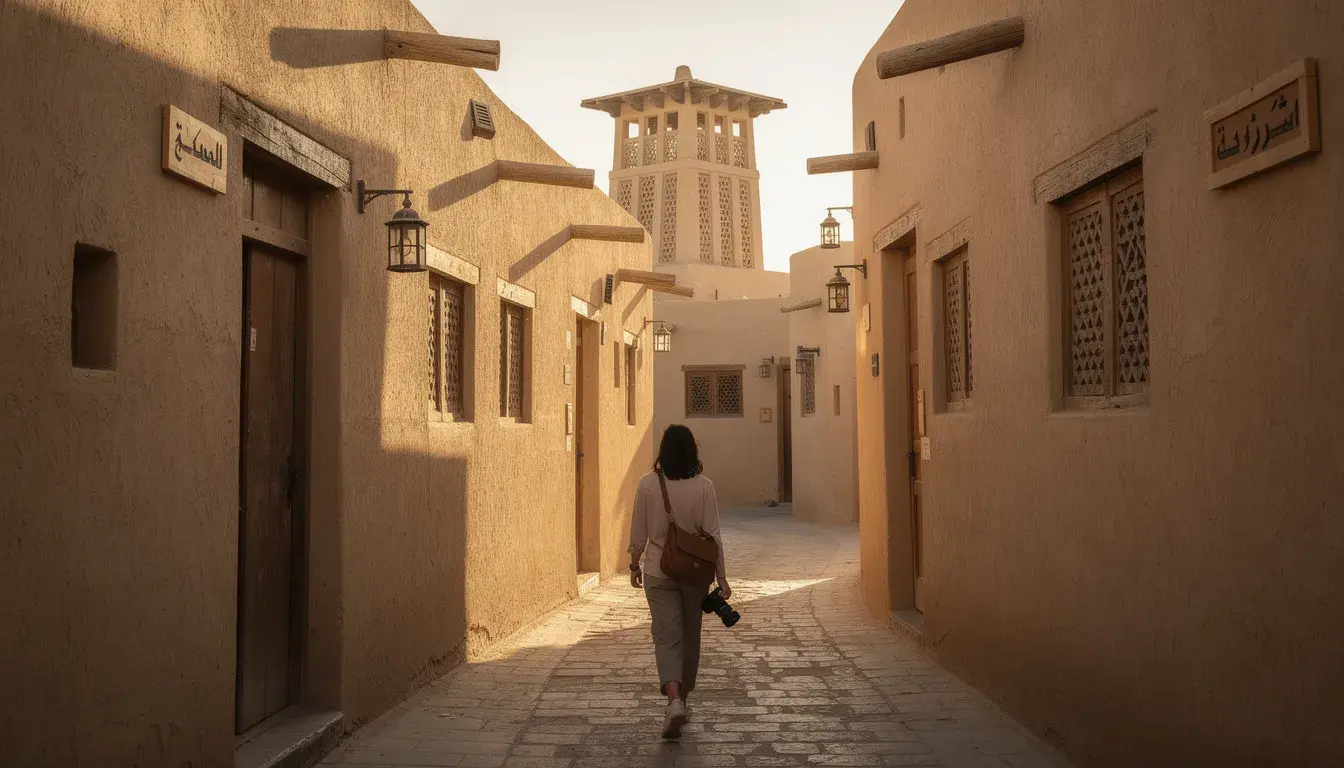
Main areas to explore:
Al Fahidi Historical Neighborhood (Al Bastakiya) – Narrow lanes, wind-tower architecture (barjeels that channeled breezes before AC), small museums, art galleries, and cafés
Al Seef – Modern waterfront promenade with traditional design, restaurants, and creek views
Dubai Creek – The 14-kilometer saltwater inlet dividing Bur Dubai and Deira, dredged in 1961 to boost the pearl trade
Gold Souk – 300+ jewelers showcasing 40% of the world’s traded gold, pieces assayed at 99.9% purity
Spice Souk – 300+ stalls selling saffron, frankincense, turmeric, and every spice imaginable
Simple walking route for first-timers:
Start in Al Fahidi and wander through the narrow lanes with their distinctive wind towers. Stop at a café or visit the small Dubai Museum in Al Fahidi Fort (the city’s oldest building, dating to 1787). Walk along to the Al Seef waterfront promenade. Then cross Dubai Creek by abra to reach Deira’s souks.
Crossing Dubai Creek on an abra:
The traditional wooden boats cost just AED 1 per person (about $0.27) and take roughly 5 minutes to cross. They’ve been operating since the 1930s, carrying 20 passengers at a time. It’s one of the most authentic and affordable experiences in Dubai – and incredibly scenic with the creek-side buildings and passing dhow boats.
Gold Souk and Spice Souk:
The Gold Souk sees daily footfall of around 10,000 visitors. You’ll see massive gold necklaces, intricate bracelets, and elaborate jewelry sets displayed in windows. Even if you’re not buying, window shopping here is a fantastic experience. The Spice Souk bursts with color – saffron (the world’s priciest spice at AED 5-20 per gram), frankincense from Omani resins, and mounds of turmeric and dried spices.
Practical tips:
If you’re visiting several countries on the same trip, reviews of multi-country eSIMs like this essential Airalo eSIM review for international travel can help you decide whether to stick with one provider across borders
Best time: Late afternoon into evening (after 5 PM) when it’s cooler and markets are lively
Bargaining is expected – you can often shave 30-50% off initial prices
Dress modestly – shoulders and knees covered feels more comfortable here, especially near mosques
Watch for pickpockets in crowded areas
A walking tour of this area can be done independently or with a guided tour for historical context
Relax at Dubai’s Beaches (Jumeirah, JBR & Kite Beach)
Dubai’s coastline offers several public beaches where you can swim for free and see famous landmarks. The Arabian Gulf’s clear turquoise waters average 22-32°C with minimal tidal variance, making for calm, easy swimming most of the year.
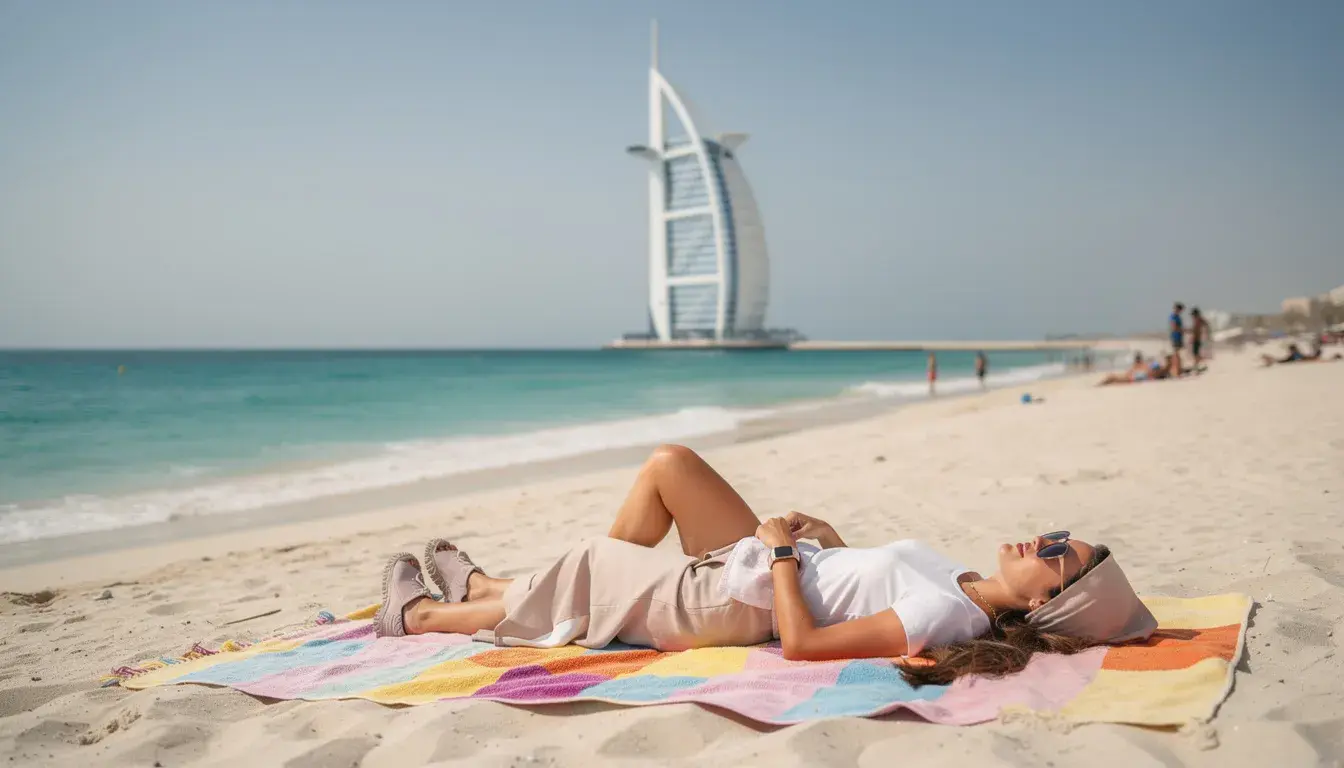
Jumeirah Beach (Public Beach)
Part of a 7-kilometer stretch fronting the Arabian Gulf, Jumeirah Beach is easy to reach and offers stunning views of luxury hotels including the sail-shaped Burj Al Arab. The water is calm, there’s a running track nearby, and several cafés dot the area. It’s perfect for a relaxed few hours between sightseeing – not too crowded, nice clear shallows, good for families.
JBR Beach (Jumeirah Beach Residence)
This is the busier, more touristy option near Dubai Marina. The beach is surrounded by restaurants, beach clubs, and high-rise towers. It’s perfect for combining with a walk along The Walk at JBR and views towards Bluewaters Island. Attendance swells to 500,000 monthly in winter, so expect crowds on weekends.
Kite Beach
Popular with kitesurfers and joggers, Kite Beach has lots of food trucks, fitness equipment, and some of the best sunset views towards Burj Al Arab. The vibe is more active and local – you’ll see families, fitness enthusiasts, and people actually using the beach rather than posing for photos.
Practical tips:
Season | Conditions | Recommendation |
|---|---|---|
November-March | Ideal temps 24-31°C, comfortable water | Best for beach days |
April-May | Warming up, fewer crowds | Good for morning visits |
June-September | Extreme heat 40-50°C, UV index 11 | Early morning or evening only |
Free beaches don’t require any entrance fee – just show up with your towel
Private beaches at luxury hotels charge day passes (often AED 200-500)
Dress is relaxed on the sand (bikinis and swimwear fine), but cover up when leaving the beachfront
SPF 50+ is essential – UV index peaks at 11
Jellyfish stings are more common June-August
The best free beaches for first time visitors are Jumeirah Public Beach and Kite Beach
Try Dubai’s Best Cheap Eats
One of the best surprises in Dubai was the food. You don’t need expensive restaurants to eat well. Some of the best meals come from simple spots in Deira and Bur Dubai, where Dubai’s 85% expatriate population has created an incredible multicultural food scene.
Al Mallah (Satwa/Jumeirah)
A legendary spot famous for shawarma, manakish (Arabic flatbread with za’atar), and fresh juices. The shawarma here is rotisserie-cooked for 6 hours with marinated chicken or lamb, served with daily-baked bread. You can order a table full of mezze – hummus, falafel, grilled meats – for what you’d pay for one appetizer at a tourist restaurant.
Ravi Restaurant (Satwa)
This Pakistani staple has been operating since 1978. Simple interior, massive portions, no-frills service. The karahi curries come in huge thali portions for AED 20-30, and the biryanis are infused via dum pukht steaming. It’s always packed with locals, which tells you everything about the quality.
Operation Falafel
A casual chain you’ll find around JBR and City Walk. Dependable falafel wraps (chickpeas soaked 12 hours before frying), hummus, and mixed grills at reasonable prices. Good for a quick, filling lunch when you’re out sightseeing.
Exploring Deira and Bur Dubai side streets:
Little cafeterias serving Indian, Pakistani, Filipino, and Arabic dishes for a fraction of hotel prices. Areas like Naif Road host 200+ hole-in-the-wall eateries. Stick to busy venues where you can see food being prepared fresh.
Realistic budget comparison:
Meal Type | Approximate Cost |
|---|---|
Shawarma wrap at Al Mallah | AED 8-15 ($2-4) |
Full dinner at Ravi | AED 20-30 ($5-8) |
Falafel wrap at Operation Falafel | AED 15 (~$4) |
Mid-range restaurant in Downtown | AED 150-250 ($40-70) |
Sometimes the best meals in Dubai come from the simplest places. The same logic applies to connectivity – simple, transparent data plans often beat flashy "unlimited" offers, so it’s worth reading something like a Holafly eSIM review for international trips before you lock in a provider. |
Have One “Special” Dinner Experience
Even if you mostly eat cheap during your trip, having one memorable dinner is worth it. Dubai is famous for its luxury restaurants and unique dining experiences – the kind with rooftop views, waterfront settings, and city skyline panoramas.
Cé La Vi at Address Sky View
Located 220 meters up with direct Burj Khalifa views, this rooftop terrace serves Michelin-inspired Asian fusion. Reserve a table for golden hour to catch sunset over downtown dubai, then stay for dinner as the city skyline lights up. Expect AED 500+ per person, but the views and atmosphere justify a splurge.
Nobu at Atlantis, The Palm
The UAE outpost of Nobuyuki Matsuhisa’s global empire, located at Atlantis The Palm on Palm Jumeirah. Famous for black cod miso aged 2 days, along with Peruvian-Japanese fusion that’s become legendary. Set menus run around AED 650. Combine dinner with an evening wander through the Atlantis hotel and its fantastic experience at the Lost Chambers Aquarium.
Pierchic at Al Qasr
A seafood restaurant set on a 400-meter pier extending over the water, with 270-degree views of the Arabian Gulf and silhouettes of Burj Al Arab at night. Lobster thermidor over water with those views? It’s an unforgettable experience. Expect AED 800+ for the full experience.
Booking tips:
Reserve for golden hour (30-45 minutes before sunset) for the best photos
Late dinner (after 8 PM) gives you the city fully illuminated
Smart casual dress codes are common – no shorts, no flip-flops
Weekend reservations (Thursday-Saturday) often book 2-4 weeks ahead
These venues leverage Dubai’s 11 Michelin-starred restaurants as of 2025
What to Eat in Dubai (Essential Dishes to Try)
Dubai’s food scene spans 200+ nationalities, but you shouldn’t leave without trying the classic Middle Eastern and regional dishes. They’re everywhere, they’re affordable, and they’re genuinely delicious.
Shawarma – The king of Dubai street food. Vertical spit-roasted meat (chicken or lamb) sliced thin and wrapped with pickles, garlic sauce, and vegetables. You’ll find it everywhere for AED 10-20. Every neighborhood has its champion shop.
Falafel – Chickpea fritters deep-fried at 180°C until crispy outside, soft inside. Usually served in wraps with tahini, pickles, and vegetables. A filling lunch for AED 12.
Hummus – Tahini-blended chickpea dip, protein-rich at 15g per cup, served with warm bread. Basic but essential – you’ll eat it at almost every meal.
Mixed grill kebabs – Lamb tikka marinated 24 hours in yogurt spices, chicken shish, kofta – all grilled over charcoal. Served with rice and grilled vegetables.
Manakish – Arabic flatbread topped with za’atar herbs, baked in tannour ovens at 400°C for 5 minutes. Usually around AED 8. Perfect for breakfast or a quick snack.
Emirati cuisine options:
For traditional Emirati dishes, look for machboos (spiced rice with meat) and harees (wheat and meat slow-cooked to porridge consistency). Al Fanar restaurant chain serves these in traditional settings. The Al Seef waterfront area has several options, as does Al Fahidi.
Arabic breakfast spread:
Don’t skip trying a proper Arabic breakfast: fresh bread, labneh (strained yogurt), olives, foul medames (mashed fava beans), za’atar, and mint tea. Many hotels include this, or you can find it at local cafés throughout Deira and Bur Dubai.
For dessert, try kunafa (shredded phyllo with sweet cheese, soaked in syrup) or luqaimat (sweet dumplings drizzled with date syrup, often served at Emirati restaurants).
Other Classic Things to Do in Dubai (If You Have More Time)
Beyond the absolute musts, Dubai has plenty of iconic attractions worth exploring if your schedule allows. Here’s a quick-hit list of various activities for different interests:
Dubai Marina and Marina Walk
A 7-kilometer walk along the waterfront, lined with yachts, restaurants, and illuminated skyscrapers at night. Perfect evening stroll with great city skyline photos. A dhow cruise through the marina offers dinner and entertainment on traditional wooden boats.
Ain Dubai on Bluewaters Island
The world’s tallest observation wheel at 250 meters. Great to photograph from JBR Beach or the Bluewaters promenade. Check current operating status before planning a ride – it’s had intermittent closures.
Museum of the Future
Futuristic architecture along Sheikh Zayed Road with popular interactive exhibits about technology and sustainability. The building itself is one of Dubai’s most photographed iconic landmarks. Book tickets in advance – it gets busy.
Dubai Frame near Zabeel Park
The world’s largest frame at 150 meters tall – an elevator ride takes you to a glass-floored sky bridge. One side looks towards Old Dubai, the other towards downtown’s skyline. A good photo opportunity that combines both sides of the city in one visit.
Atlantis Aquaventure Waterpark on Palm Jumeirah
Huge slides, lazy rivers, and unlimited access to marine life exhibits at the Lost Chambers Aquarium. Best for families and water-lovers. You can easily spend a full day trip here.
Mall of the Emirates
One of the most popular malls in Dubai, home to Ski Dubai – an indoor ski slope with real snow. A fun place to escape the heat, even if you just watch the skiers from the viewing café.
Dubai Miracle Garden
The world’s largest natural flower garden with 150 million flowers shaped into structures and displays. Open November through May (closed in summer heat). The miracle garden is about 30 minutes from downtown.
Dubai Opera
A dhow-shaped performance venue in downtown hosting concerts, ballet, and shows. Even if you don’t catch a performance, the building is worth seeing.
Abu Dhabi day trip
The capital is about 90 minutes away. Main sights include Sheikh Zayed Grand Mosque (one of the world’s largest) and the Louvre Abu Dhabi. Guided tours or rideshares make this manageable as a full-day excursion.
How to prioritize as a first-timer:
Interest | Top Priority |
|---|---|
Architecture & views | Dubai Frame, Museum of the Future |
Theme parks & waterparks | Atlantis Aquaventure, Ski Dubai |
Culture & history | Old Dubai walking tour, Abu Dhabi mosque |
Family fun | Dubai Aquarium, Atlantis, beaches |
Shopping | Dubai Mall, Mall of the Emirates |
Best Time to Visit Dubai
The best time to visit Dubai is between November and March. During these months, daytime temperatures average 24-31°C (75-88°F) – warm but comfortable for exploring outdoors.
Peak season (December-February):
Best weather with low humidity (below 60%)
Ideal for beaches, desert safaris, and walking around the city
Highest prices and busiest tourist attractions
Events like Dubai Shopping Festival (January, 7,000 brands at up to 70% discounts)
16 million tourists visited in 2023’s peak winter season
Shoulder months (late October, early April):
Temperatures warming up but still manageable
Fewer crowds at main sights
Better hotel rates
Good compromise if you’re flexible on dates
Summer (June-September):
Extreme heat: 40-50°C (104-122°F) with 90% humidity
Heat indices can exceed 60°C, making outdoor activities challenging
Desert safaris typically not offered or limited to evenings
Beach visits only viable early morning or after sunset
Lowest hotel prices and heavily air-conditioned indoor attractions
Dubai Mall, Ski Dubai, and art galleries become daytime refuges
Ramadan considerations:
During Ramadan (dates shift yearly based on lunar calendar), you won’t find food or drink served publicly during daylight fasting hours. Restaurants still operate for dinner, and hotels serve guests, but the pace of the city changes. It’s still possible to visit, but be respectful of local customs. This is also a period where planning your connectivity in advance pays off, so looking at firsthand experiences like a Saily eSIM review for short trips can be useful if you’re considering different providers.
Practical Tips for Your First Trip to Dubai
Getting around:
Dubai Metro is clean, efficient, and cheap – it connects the airport to Downtown, Dubai Marina, and major malls. Taxis and Careem/Uber are affordable for shorter trips or areas not on metro lines. Typical taxi fare from Downtown to Dubai Marina runs AED 40-60. Contactless cards work almost everywhere.
Weekend schedule:
The UAE weekend is Friday through Sunday. Thursday and Friday nights are busiest at restaurants and attractions. Malls stay open late (until 10 PM most days, midnight on weekends).
Dress code guidance:
Location | What to Wear |
|---|---|
Beaches and resorts | Swimwear and casual clothing fine |
Malls and restaurants | Casual but covered (no beachwear) |
Old Dubai and souks | Shoulders and knees covered |
Mosques and cultural sites | Conservative dress, women may need head covering |
Fine dining restaurants | Smart casual, no shorts or flip-flops |
Cultural notes: |
Public drunkenness is illegal and strictly enforced
During Ramadan, don’t eat, drink, or smoke in public during fasting hours
Public displays of affection should be kept minimal
Dubai is extremely safe – crime index is just 16.1/100 – but use common sense with valuables
Photography is generally fine, but ask before photographing local people
Money:
The currency is UAE Dirham (AED). Approximately: 1 USD = 3.67 AED. Credit cards are widely accepted. ATMs are everywhere. Tipping isn’t mandatory but 10-15% is appreciated at restaurants.
Data and connectivity (reminder):
Having reliable internet makes everything easier – navigation, ride-hailing, booking last-minute activities, checking restaurant reviews. An eSIM like Roambit.io’s 20GB plan means you’re connected from landing without extra cost per use or airport queues.
Final Thoughts – Is Dubai Worth Visiting?
Absolutely.
Dubai is one of those places that feels completely different from anywhere else. You can visit the world’s tallest building, relax on a beach, explore traditional markets with gold and spices, and watch a desert sunset – all in one trip. Few destinations pack this much variety into such a compact area.
The contrasts are what make it special. One moment you’re standing beneath 828 meters of glass and steel in Downtown, the next you’re crossing Dubai Creek on a wooden boat that’s been running since the 1930s. You can drop $100 on a world-class dinner with Burj Khalifa views, or spend $4 on one of the best shawarmas you’ve ever tasted. That flexibility is what makes Dubai work for different budgets and travel styles.
Between the skyline, the desert, the souks, and the surprisingly wonderful experience of everyday food, Dubai is a destination that’s easy to enjoy even if it’s your first visit to the Middle East.
My suggestion: Mix the “big ticket” attractions like Burj Khalifa and a desert safari with time in the local areas – Deira, Bur Dubai, Satwa – where prices drop and authenticity rises. Add simple pleasures like a morning at Kite Beach or coffee in Al Fahidi’s narrow lanes. That balance is what turns a good trip into a fantastic experience.
What would you put on your list? Start with the must-dos, then build around whatever draws you most – whether that’s iconic landmarks, food exploration, beach days, or getting lost in the souks.




0 Comments
Leave a Comment